


Alfred University is among a group of just 45 colleges and universities nationwide leading a study on the integration of artificial intelligence (AI) literacy into curricula at institutions of higher education.
The study is led by Ithaka S+R—a non-profit offering strategic advice and support services to help institutions, including those in higher ed, improve their performance and further their missions. Ithaka S+R’s work aims to broaden access to higher education by reducing costs and improving student outcomes.
According to Ithaka S+R: “While the technological and commercial landscape remains fluid, and the long-term impacts of AI on teaching and learning remain contested, colleges and universities are ready to shift from reactive to proactive engagement with AI. AI literacy will be a cornerstone of that engagement at many institutions.”
Ithaka S+R stated the study will be done in partnership with librarians and educators at 45 colleges and universities “with deep commitments to promoting AI literacy as a core learning outcome.” The organization says that two units at colleges and universities—libraries and centers for teaching and learning—are “hubs for generating and magnifying innovative pedagogies,” and are thus ideal for participating in the study.
“Libraries employ experts in the information sciences, and at many institutions have long histories as key providers of instruction about other essential modern information literacies such as data literacy or digital literacy. This experience positions them to be campus and even national leaders in these efforts.”
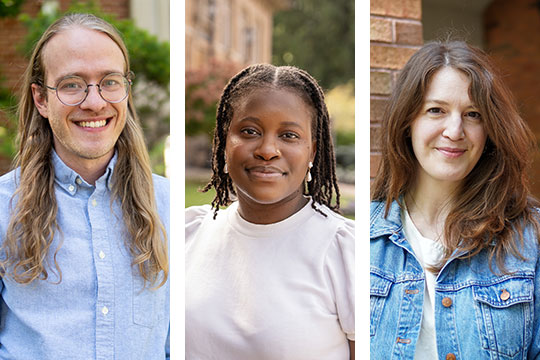
Representing Alfred University Libraries in the study will be Kevin Adams, information literacy librarian Shauna-Kay Harrison, digital archivist, and Maria Planansky, collection management librarian.
In addition to the 45 cohort institutions in the U.S., McGill University in Canada is also participating. To kick off the project, the larger group—a mix of public and private institutions from across country, including 16 in the California State University System—met earlier this spring to begin defining AI literacy and to develop a timeline for project milestones.
Throughout spring and summer, the group and individual cohort institutions will prepare for research by developing assessment models and strategies for conducting student and faculty interviews. During the fall 2025 semester, Alfred University, like other cohorts in the project, will conduct institution-specific research on faculty and student practices, priorities, and needs as they relate to AI literacy.
The Alfred University team “will talk to faculty, staff, and students,” Brian Sullivan, dean of Libraries at Alfred University, said. “They’ll discuss how they use artificial intelligence, what concerns they have, and their expectations.”
From January to March 2026, the larger group will examine the research conducted at the cohort institutions and begin developing new service offerings, or revisions of existing services, as they relate to AI literacy integration into curricula.