
Psychology
Learn to think critically; not just about others, but also about yourself
In Alfred University's Psychology program, you'll learn about the many intricacies of human behavior, develop self-discovery skills and learn to think critically about yourself and others. This program provides you ample opportunities to personalize and self-direct your education with focused knowledge concentrations, supervised counseling courses, internships, directed research, independent study and more.
The Psychology program gives students the option choosing from one or more of the following options: General, Clinical/Counseling, Experimental, Child and Industrial/Organizational psychology, or pairing any of these options with our MBA 4+1 graduate program.
- Option 1: General Psychology
- Option 2: Clinical/Counseling Psychology
- Option 3: Scientific Experimental Psychology
- Option 4: Child Psychology
- Option 5: Industrial/Organizational Psychology
- Option 6: MBA 4+1 Graduate Program
Option 1: General Psychology
All courses:
- PSYC 101 Introduction to Psychology
- PSYC 220 Psychological Methods and Statistics
- PSYC 230 Psychological Research and Design 1
- PSYC 310 Professional Preparation
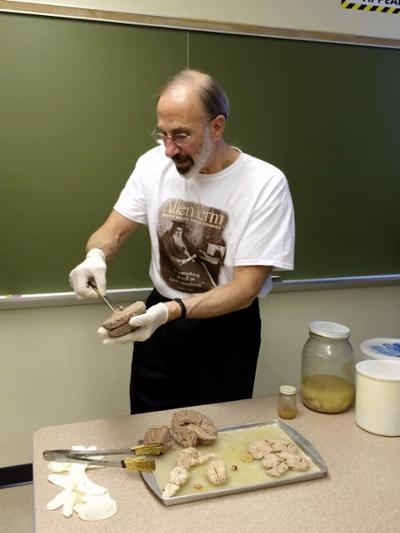
- PSYC 330 Neuropsychology
- PSYC 497 Senior Seminar
One course from the following:
- PSYC 251 Principles of Learning & Behavior Mod
- PSYC 311 Sensation and Perception
- PSYC 332 Cognitive Processes
One course from the following:
- PSYC 118 Introduction to Adult Development and Aging
- PSYC 261 Cognitive Development
- PSYC 262 Social Development
One course from the following:
- PSYC 282 Social Psychology
- PSYC 341 Theories of Personality
- PSYC 372 Psychology of Gender
One course from the following:
- PSYC 210 Communication and Counseling Skills
- PSYC 322 Health Psychology
- PSYC 342 Psychopathology
- PSYC 471 Child Psychopathology
- PSYC 472 Child Interventions
Option 2: Clinical/Counseling Psychology
All courses:
- PSYC 101 Introduction to Psychology
- PSYC 210 Communication and Counseling Skills
- PSYC 220 Psychological Methods and Statistics
- PSYC 230 Psychological Research and Design I
- PSYC 310 Professional Preparation
- PSYC 330 Neuropsychology
- PSYC 342 Psychopathology
- PSYC 491 Clinical Procedures
- PSYC 492 Clinical Practicum
- PSYC 497 Senior Seminar
One course from the following:
- PSYC 251 Principles of Learning & Behavior Mod
- PSYC 311 Sensation and Perception
- PSYC 332 Cognitive Processes
One course from the following:
- PSYC 118 Intro to Adult Development and Aging
- PSYC 261 Cognitive Development
- PSYC 262 Social Development
One course from the following:
- PSYC 341 Theories of Personality
- PSYC 372 Psychology of Gender
Option 3: Scientific Experimental Psychology
All courses:
- PSYC 101 Introduction to Psychology
- PSYC 220 Psychological Methods and Statistics
- PSYC 230 Psychological Research and Design I
- PSYC 310 Professional Preparation
- PSYC 330 Neuropsychology
- PSYC 411 Research and Design II
- PSYC 412 Research Practicum
- PSYC 497 Senior Seminar
Two courses from the following:
- PSYC 251 Principles of Learning & Behavior Mod
- PSYC 311 Sensation and Perception
- PSYC 332 Cognitive Processes
One course from the following:
- PSYC 118 Intro to Adult Development and Aging
- PSYC 261 Cognitive Development
- PSYC 262 Social Development
One course from the following:
- PSYC 341 Theories of Personality
- PSYC 372 Psychology of Gender
One course from the following:
- PSYC 210 Communication and Counseling Skills
- PSYC 322 Health Psychology
- PSYC 342 Psychopathology
- PSYC 471 Child Psychopathology
- PSYC 472 Child Interventions
Option 4: Child Psychology
All courses:
- PSYC 101 Introduction to Psychology
- PSYC 220 Psychological Methods and Statistics
- PSYC 230 Psychological Research and Design I
- PSYC 261 Cognitive Development
- PSYC 262 Social Development
- PSYC 310 Professional Preparation
- PSYC 330 Neuropsychology
- PSYC 497 Senior Seminar
One course from the following:
- PSYC 251 Principles of Learning & Behavior Mod
- PSYC 311 Sensation and Perception
- PSYC 332 Cognitive Processes
One course from the following:
- PSYC 282 Social Psychology
- PSYC 341 Theories of Personality
- PSYC 372 Psychology of Gender
One course from the following:
- PSYC 210 Communication and Counseling Skills
- PSYC 322 Health Psychology
- PSYC 342 Psychopathology
Concentration specific: Complete one course from each of the following three groups:
- Group 1
- PSYC 320 Parenting Seminar
- Group 2
- PSYC 471 Child Psychopathology
- PSYC 472 Child Interventions
- Group 3
- PSYC 485 Practicum
- PSYC 492 Clinical Practicum (at appropriate site)
Option 5: Industrial/Organizational Psychology
All courses:
- PSYC 101 Introduction to Psychology
- PSYC 118 Intro to Adult Development and Aging
- PSYC 220 Psychological Methods and Statistics
- PSYC 230 Psychological Research and Design I
- PSYC 282 Social Psychology
- PSYC 310 Professional Preparation
- PSYC 330 Neuropsychology
- PSYC 497 Senior Seminar
One course from the following:
- PSYC 251 Principles of Learning & Behavior Mod
- PSYC 311 Sensation and Perception
- PSYC 332 Cognitive Processes
One course from the following:
- PSYC 210 Communication and Counseling Skills
- PSYC 322 Health Psychology
- PSYC 342 Psychopathology
Concentration Specific:
take both:
- PSYC 302 Psychological Measurement 4
- PSYC 362 Industrial/Organizational Psychology 3
and complete 9 credit hours from the following:
- ACCT 211 Financial Accounting*
- ACCT 212 Managerial Accounting*
- ECON 201 Principles of Microeconomics*
- ECON 202 Principles of Macroeconomics*
- ECON 420 Healthcare Economics
- FIN 348 Managerial Finance*
- MGMT 305 Gender and Organizations
- MGMT 318 Gender Equity in Business
- MGMT 328 Management & Organizational Behavior*
- MGMT 472 Human Resource Management
- MGMT 484 Operations Management*
- MKTG 221 Marketing Principles and Management*
- MKTG 452 Market Research
- MKTG 479 Consumer Behavior
- MKTG 482 Sales Management
NOTE: Take all of the courses marked with an asterisk (*) to earn a minor in Business Administration and be eligible for the 4+1 Psychology + MBA program.
Option 6: MBA 4+1 Graduate Program
Alfred University is pleased to offer students enrolled in the Psychology undergraduate degree program the option to graduate with their Master's degree in Business Administration after only one additional year of education.
Requirements for the Major in Psychology:
Students who decide to major in Psychology will have comprehensive exposure to the discipline as well as the option to gain additional knowledge and skills related to specific areas of psychology.
In addition to fulfilling the requirements of the Interdepartmental Major, as well as the College of Liberal Arts & Sciences general education requirements, you'll be required to complete the College's First Year Experience Program or Transfer Student Program.
Psychology as a double major is available to any AU student. To earn an Psychology double major, take courses listed below for a minimum of 42 credits. A grade of C or higher must be earned in all courses that count toward the completion of the major.
Learn more about Double Majors
Foundational Core (Take all; 14 cr.)
- PSYC 101 Introduction to Psychology
- PSYC 220 Psychological Methods and Statistics
- PSYC 230 Psychological Research and Design I
- PSYC 310 Professional Preparation
- PSYC 497 Senior Seminar
A. Biological (4 cr. Choose one from the following)
- PSYC 330 Neuropsychology
B. Learning & Cognitive Processes (4 cr. Choose one from the following)
- PSYC 251 Learning & Behavior Modification
- PSYC 311 Sensation & Perception
- PSYC 332 Cognitive Processes
C. Developmental (4 cr. Choose one from the following)
- PSYC 118 Introduction to Adult Development & Aging
- PSYC 261 Cognitive Development
- PSYC 262 Social Development
D. Social & Personality (4 cr. Choose one from the following)
- PSYC 282 Social Psychology
- PSYC 341 Theories of Personality
- PSYC 372 Psychology of Gender
E. Mental & Physical Health (4 cr. Choose one from the following)
- PSYC 210 Communication & Counseling
- PSYC 322 Health Psychology
- PSYC 342 Psychopathology
- PSYC 471 Child Psychopathology
- PSYC 472 Child Interventions
Electives (8 cr.)
Note: additional courses from Content Groups may count as elective credits
Requirements for the Minor in Psychology
The Psychology Minor consists of 24 credits and provides students the opportunity to explore various psychological concepts and implications for human behavior. It is a great companion to many other majors.
Foundational Core (Take all; 8 cr.)
- PSYC 101 Introduction to Psychology
- PSYC 220 Psychological Methods and Statistics
- PSYC 251 Learning & Behavior Modification
- PSYC 311 Sensation and Perception
- PSYC 330 Neuropsychology
- PSYC 332 Cognitive Processes
- PSYC 118 Introduction to Adult Development and Aging
- PSYC 261 Cognitive Development
- PSYC 262 Social Development
D. Social & Personality (4 cr.)
- PSYC 282 Social Psychology
- PSYC 341 Theories of Personality
- PSYC 210 Communication & Counseling
- PSYC 342 Psychopathology
- PSYC 322 Health Psychology
- PSYC 471 Child Psychopathology
- PSYC 472 Child Interventions
Requirements for the Minor in Biopsychology
The following courses are required for a minor in Biopsychology:
Biology Core (12 credits)- BIOL 211 Cell Biology
- BIOL 207 Intro to Anatomy & Physiology I OR BIOL 307 Anatomy & Physiology: Nerves, Muscles, Skeleton
- BIOL 130 Intro to Human Genetics OR BIOL 212 Principles of Genetics
- PSYC 311 Sensation & Perception
- PSYC 322 Health Psychology
- PSYC 330 Neuropsychology
- BIPY 485 Practicum or Internship
- BIPY 499 Thesis
Art Therapy is an expressive therapy that uses creative art-making processes to improve someone’s mental and emotional health.
A Master’s Degree is required for entry-level practice in Art Therapy. The American Art Therapy Association recommends that students planning to pursue graduate study in Art Therapy do the following:
- Complete a minimum of 18 credits hours of Studio Art work
- Prepare a portfolio of original art work demonstrating competence with art materials
- Complete a minimum of 12 credit hours in Psychology
The AATA recommends that students take the following courses:
- PSYC 101 Introduction to Psychology
- PSYC 118 Introduction to Adult Development &Aging
- PSYC 261 Cognitive Development
- PSYC 262 Social Development
- PSYC 342 Psychopathology
The Psychology faculty, in consultation with practicing Art Therapists, recommend taking the following:
- PSYC 389 Introduction to Art Therapy (offered every Spring semester of even-numbered years)
- PSYC 210 Communication & Counseling
- PSYC 251 Learning & Behavior Modification
- PSYC 341 Theories of Personality
- PSYC 471 Child Psychopathology
- PSYC 472 Child Interventions
- PSYC 485 Practicum (or 492, Clinical Practicum)
- PSYC 491 Clinical Procedures
For more information about Pre-Art Therapy at Alfred University, contact Amy Button.
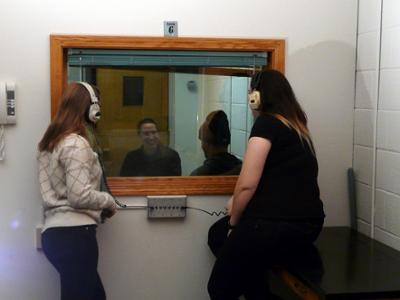
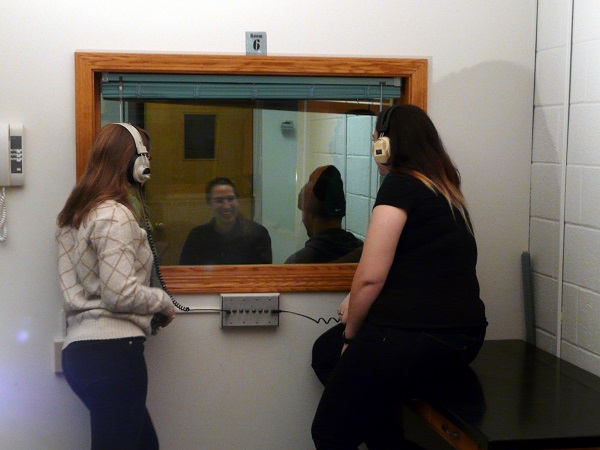
For students who wish to pursue careers in counseling after graduation, we offer an opportunity for undergraduate seniors to enroll in Clinical Procedures during the fall semester of their last year. We have an observation room with six adjoining rooms that can be used for one-way observation, which allow students to provide peer counseling to first-year students under direct supervision.
Through regular feedback from peers and instructors, students are given the chance to practice and develop their counseling techniques and reflect on their own performance.
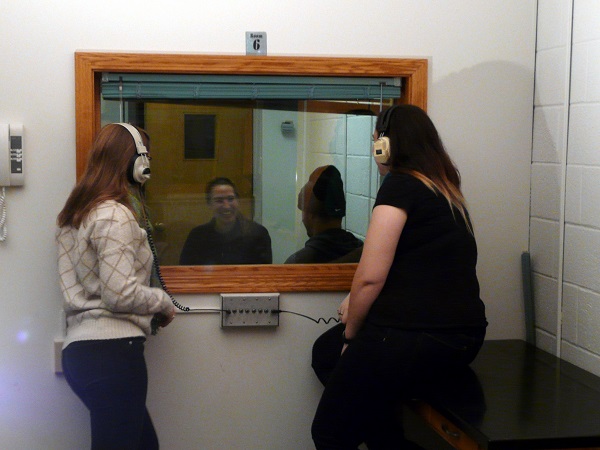
During the spring semester of their senior year, students in the Clinical Track of the Psychology major are required to do a Clinical Practicum. In this fieldwork experience, students spend approximately 100 hours practicing their skills at a site within the community.
As we are an integral member of the local community, faculty have excellent rapport with nearby agencies and organizations, ensuring that nearly every student is placed in a practicum. This allows students to gain practical experience under the supervision of a mentor, and provides invaluable skills above and beyond those gained in the classroom.
Below is a sample of practicum sites at which students have been placed:
- ACCORD offers access to opportunities, resources, and services to strengthen individuals, families and communities, especially those who are underrepresented.
- Allegany County Office of Aging attends to the social and program needs of the elderly in a rural setting. Interns receive supervision and can opt to conduct research or participate in the basic practical details of furnishing services to the elderly.
- Alfred Montessori School is a progressive day school for children between the ages of 2 and 5. Practicum students typically become involved in the implementation of Montessori methods of education.
- Ardent Solutions collaborates with local, regional, and state-wide partners to improve community health outcomes, increase independence through safe and reliable mobility options, and decrease unintentional injuries and suicide risks. Programs include Walk with Ease, Matter of Balance, and Diabetes Education.
- Comstock Hospice provides physical and psychological comfort and relief to those near the end of life.
- Hornell Concern for Youth provides a variety of education services, mentoring programs, after-school activities, and outreach to provide assistance to children and their families.
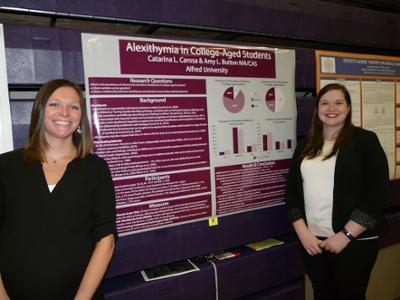
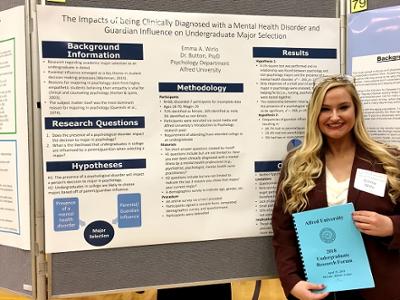
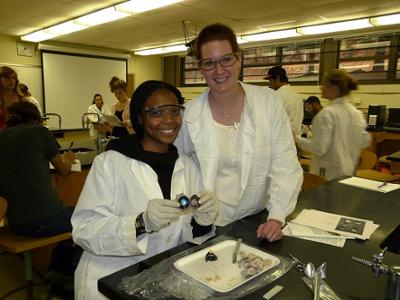
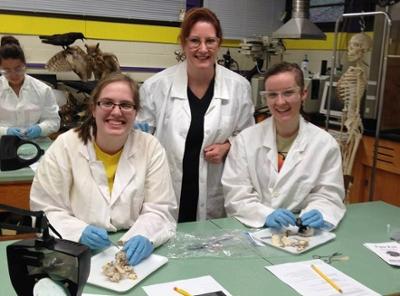
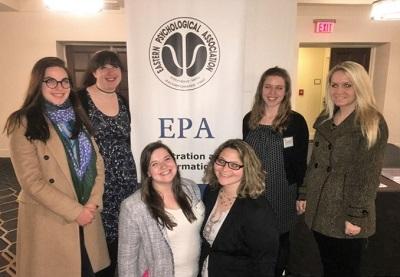
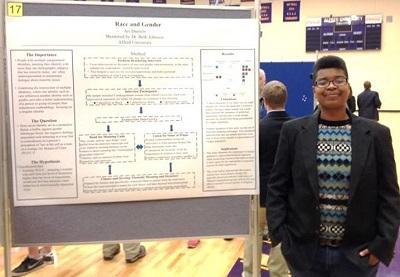
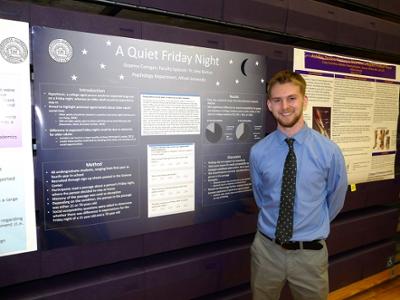
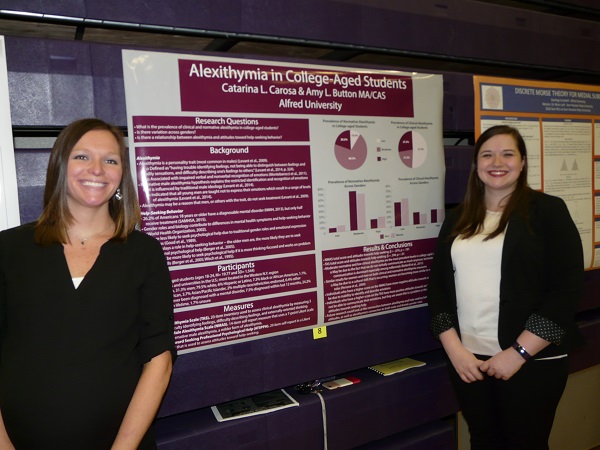
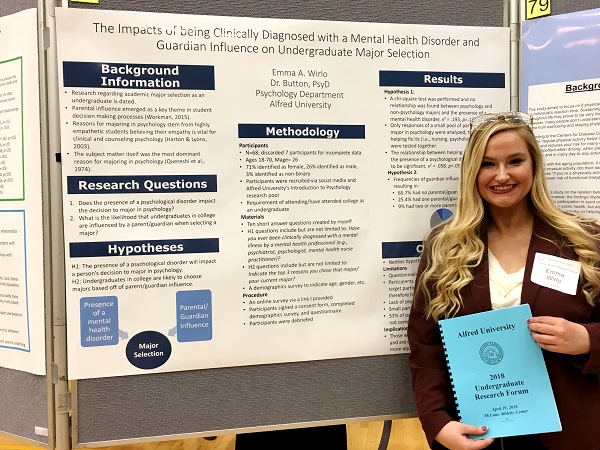
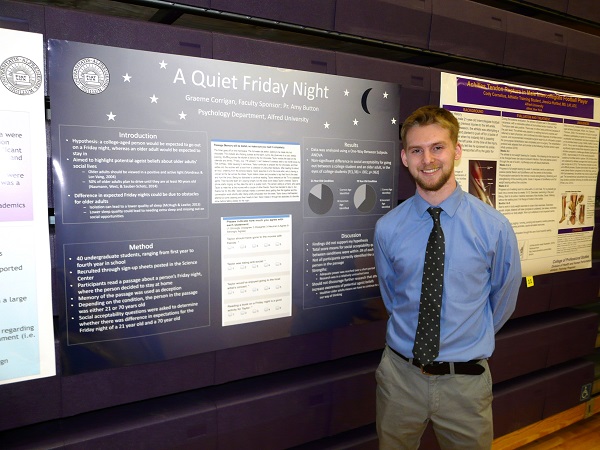
There is a growing need for citizens with information literacy and critical thinking skills. Students in our program are exposed to the basic research methods in psychology during our Psychological Methods and Statistics and Research and Design I courses. Junior and senior undergraduates can take Research and Design II in the fall and Research Practicum in the spring semester; this sequence provides to the opportunity to work closely with a faculty mentor to pursue their own research questions, assemble a research plan, collect and analyze data, and then present that data locally at AU’s spring Undergraduate Research Forum or at regional and national conferences.
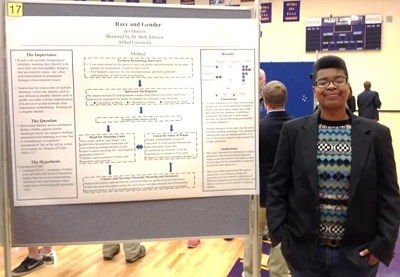
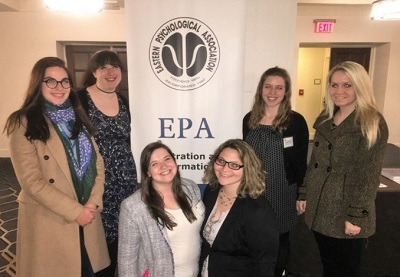
Research projects cover myriad topics, and often represent the depth and breadth of our field. Some recent project titles include:
- Creative Experiences and the Production of False Memories
- Elder Abuse in Long-Term Care Settings
- Narcissism and Sensitivity to Criticism
- Online Gaming Addiction: Personality and the World of Warcraft
- Perception of Ambiguous Figures
- Sexual Attraction in Lesbians
- Social Media and Emotional Intelligence
- The Effects of Topic Related Comics on Test Anxiety and Test Scores
- Undergraduates’ Perceptions of the Rights and Entitlements of Accused Criminals
- Working Memory Capacity and its Effects on Recall in Incidental and Intentional Learning Situations
Some students may want to delve deeper into a topic, or explore a course that we don’t offer regularly. In these cases, we offer independent studies, in which a student works closely with a faculty member to create a plan of study (including learning objectives, readings, and assignments) that provides a unique learning opportunity for both the undergraduate and the faculty member. Recent independent studies have included:
- Doctor Who and Death
- Drugs, Behaviors, and Treatment
- Effects of Trauma on Holocaust Survivor Mental Health
- Explorations of Biopsychology
- Forensic Psychology
- Traumatic Brain Injuries in College Student Athletes
- “Why did gramma put her keys in the fishbowl?” A Children’s Book on Alzheimer’s Disease
- Cross-Cultural Psychology
The Psychology Department has two student-based organizations: a chapter of Psi Chi, the International Honor Society in Psychology, and a Psychology Club that is open to all interested students. The two organizations often co-sponsor events.

Psi Chi (ψχ)
Alfred University has held a chapter of the international honor society in psychology since 1964. The purpose of Psi Chi is to encourage, stimulate and maintain excellence in scholarship and to advance the science of psychology. Student members are eligible for scholarships and grants through Psi Chi and have access to three professional publications. Membership is open to undergraduate and graduate psychology students who meet the minimum qualifications:
- Junior class standing or above
- Declaration of major or minor in psychology
- GPA of 3.3 or higher in at least 12 credit hours of courses
taken at AU across three semesters - GPA of 3.1 or higher within the College of Liberal Arts and Sciences
Psychology Club
The Psychology Club is open to all students with psychology-related interests, and provides an opportunity to become involved in psychology activities and get to know professors on a more personal level. There are no formal criteria for becoming a member.
The Psychology Club has been involved in the following activities in recent years:
- Sponsoring speakers to discuss psychology-related careers and special topics
- Discussions of psychology themes in films
- Participating at youth recreation centers in nearby communities
- Halloween parties for local community children
- Suicide prevention training/SAFE Talk certification
Life After Graduation
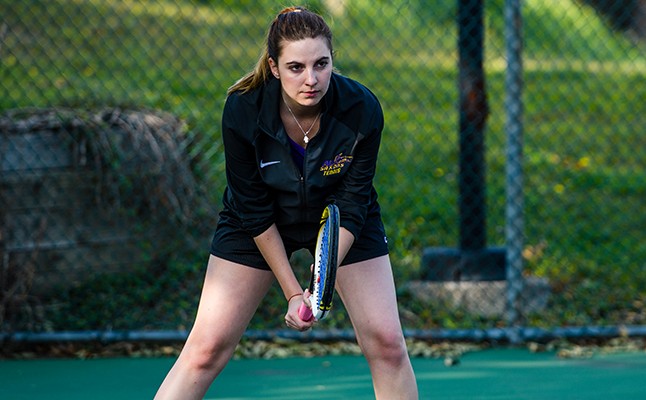
Marlin Miller Outstanding Senior Award Winner
" I found myself yearning for AU when I was home, and now that I’m in graduate school, I’m still nostalgic for my time on campus. I felt and still feel like some of the most important people in my life have either graduated from Alfred or are linked back to Alfred in some way. "
Beryl Torthe, 2018
Find out more about BerylCareers and Jobs
The undergraduate psychology degree prepares students for entry level jobs in human services, human resources, business, and research. It also prepares students for graduate studies, which are essential for advancement in many careers within psychology. Professions well-suited for psychology majors typically involve people skills, analytical skills, writing skills, and research skills. A psychology degree allows students to pursue careers in a variety of fields. Examples include human services (counseling, social work), business (human resources, sales, marketing), criminal justice (probation officer, corrections officer), health, recreation and education (rehabilitation counselor, teacher).
In addition, majors acquire skills in psychology that transfer to non-psychology professions, such as:
- Understanding how to predict and understand the behavior of people and groups.
- Using and interpreting data.
- Evaluating the legitimacy of claims about behavior.
- Understanding how memory and learning function.
- Gaining insight into problematic behaviors.
- Demonstrating the capacity to adapt to change.
- Managing difficult situations and high stress environments.
- Starting and carrying out projects.
- Showing persistence in challenging circumstances.
Our graduates have put their skills to work in many professions. Recent examples include:
- Academic Advisor
- Advertising Manager
- Art Therapist
- Behavioral Analyst
- Career Counselor
- Case Manager/ Worker
- Chemical Dependency Counselor
- Child Care Provider
- Clinical/Counseling Psychologist
- College Admissions Counselor
- Consultant
- Criminal Investigator
- Employment Interviewer
- Human Resources Director
- Labor Relations Advisor
- Lawyer
- Market Research Analyst
- Clergy
- Organizational Trainer
- Paralegal
- Parole Officer
- Personnel Specialist
- Psychiatric Nurse
- Public Opinion Surveyor
- Rehabilitation Counselor
- Researcher
- Sales Associate
- Social Worker
Professional Preparation in Psychology
Students can enroll in our seminar in Professional Preparation in Psychology (PSYC 310), which covers the processes of applying to graduate school, exploring career paths, and professional skill building.
After graduation, our alumni are employed by a wide variety of businesses, schools, organizations, and research institutions at the private, public, local, state, and national levels. An undergraduate psychology major is versatile enough to equip graduates for work in many professions, aside from being a psychologist.
Quick Facts
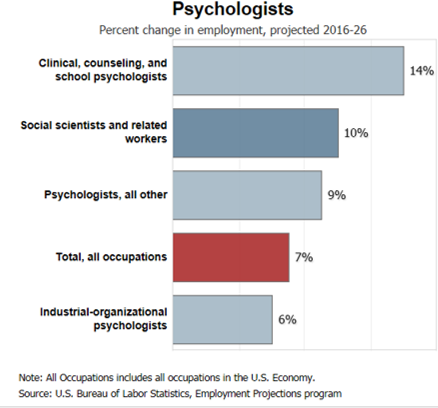
In 2016, clinical, counseling, and school psychologists' median annual earnings were $73,270. Industrial and organizational psychologists earned $82,760.
There were only 2000 people employed as industrial-organizational psychologists on 2014, while 155,000 people worked as clinical, counseling, and school psychologists.
Elementary and secondary schools employ school psychologists. Industrial-organizational psychologists work in business settings. About a third of clinical and counseling psychologists are self-employed. Others worked in hospitals, clinics, rehabilitation facilities, and mental health centers. Most who work in this field hold full-time positions, but part-time work is possible, especially in private practices.
Since clinical psychologists must be available when their clients aren't working, many have office hours in the evenings and on weekends. School psychologists' hours are during school hours.
Industrial-organizational psychologists work during regular business hours.
The U.S. Bureau of Labor Statistics has given school, clinical, counseling and industrial-organizational psychology the "bright outlook" designation because of those occupations' excellent job outlook. The agency predicts that employment for each of these areas of specialization will grow much faster than the average for all occupations through 2024.
The Psychology Major In Action
Student Stories


Similar Programs
Students pursuing an education in Psychology often double major or minor in these popular, related programs: